
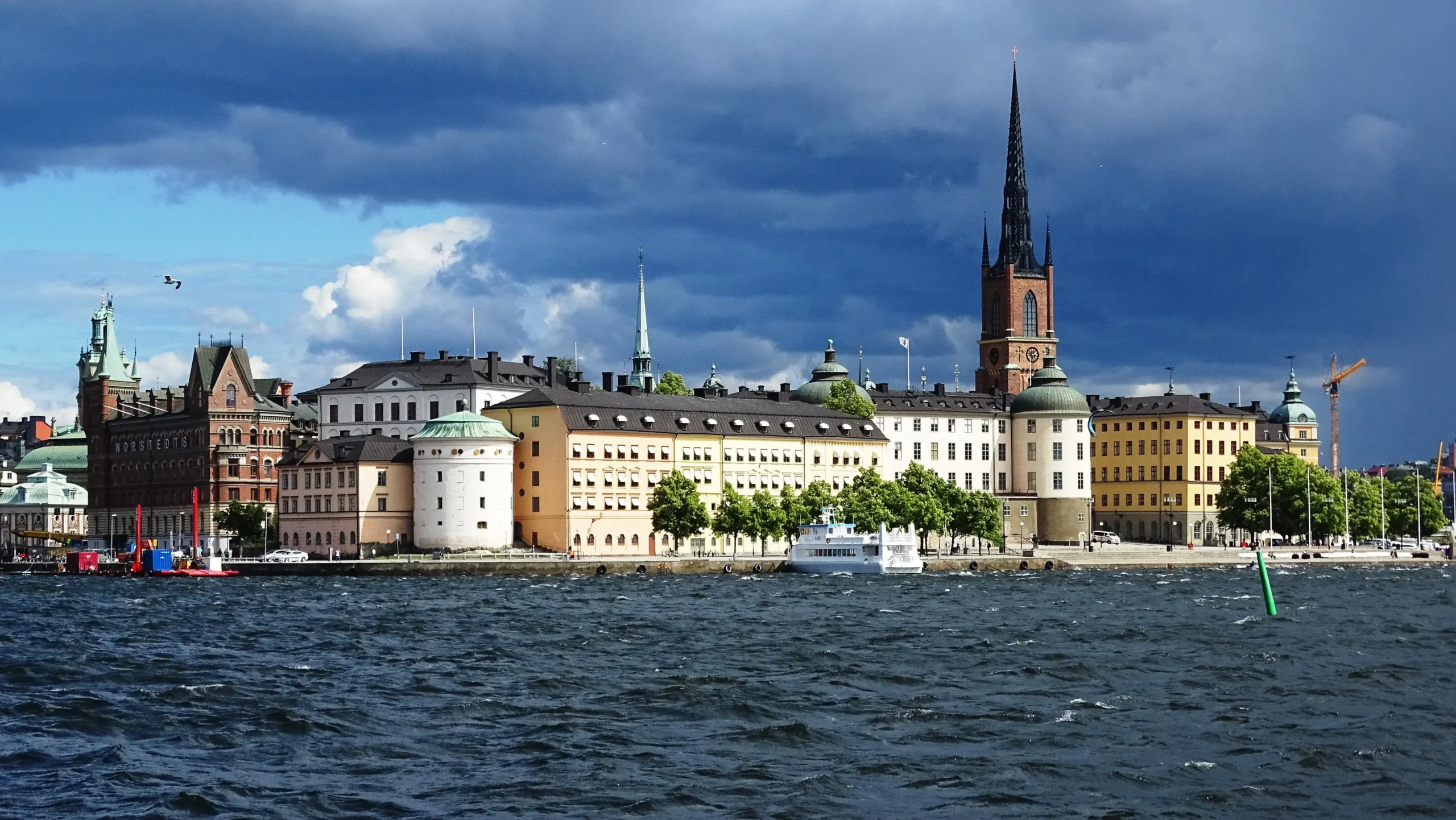
Moving to Sweden can be an exciting opportunity, whether you have secured a job in Stockholm, received admission to a Swedish university, or are planning to relocate with your family. However, moving to a new country involves much more than booking flights and finding somewhere to live.
You need to understand Swedish immigration rules, arrange accommodation, prepare your finances, register with the Swedish Tax Agency (Skatteverket), and eventually obtain essential services such as a bank account and BankID.
The order in which you complete these tasks matters. For example, your residence permit, intended length of stay, and family circumstances can affect whether you qualify for a Swedish personal identity number (personnummer).
This moving to Sweden checklist takes you through the process step by step, from preparing in your home country to settling into everyday life in Sweden. It covers practical requirements for workers, international students, EU citizens, and families moving to Sweden.
Whether you are planning to move to Stockholm, Gothenburg, Malmö or a smaller Swedish city, save this guide and use it as your relocation checklist.
Quick Answer: What Should You Do When Moving to Sweden?
Before moving, arrange your residence or work permit if required, secure accommodation, prepare important documents, organize your finances, and research your destination.
After arriving, follow these steps:
- Register your move with Skatteverket if you meet the population registration requirements.
- Attend an identity check if requested.
- Obtain your personnummer if you are registered.
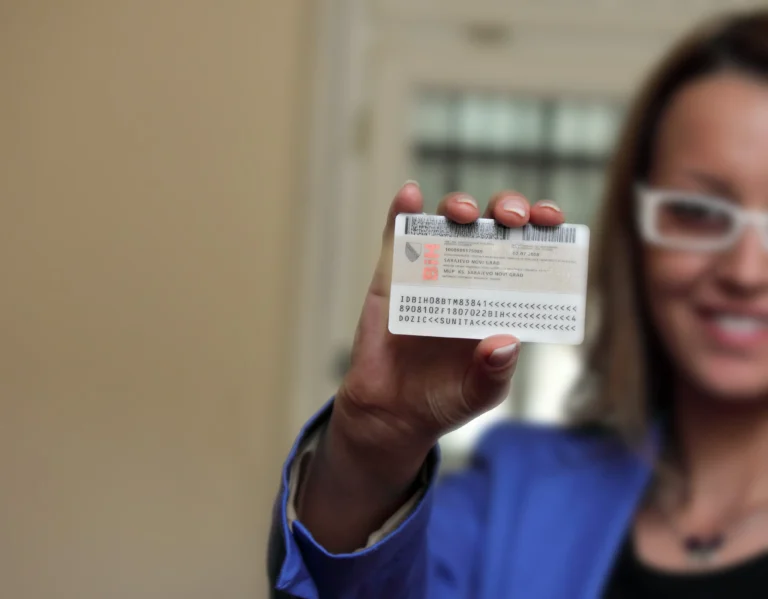
- Apply for a Swedish ID card when eligible.
- Open a bank account and arrange BankID through your bank.
- Contact Försäkringskassan about your social insurance situation.
- Register children for preschool or school.
- Arrange healthcare, insurance, electricity, internet, and other essential services.
The exact process depends on your citizenship, residence permit, and intended length of stay.
Table of Contents
1. Understand Your Immigration Requirements
2. Prepare Important Documents
3. Find Accommodation in Sweden
4. Plan Your Relocation Budget
5. Arrange Your Move and Travel
6. What to Do During Your First Month
7. Get Your Personnummer and Swedish ID
8. Open a Bank Account and Get BankID
9. Arrange Healthcare and Social Insurance
10. Settle Your Family, Work and Everyday Life
11. Common Mistakes to Avoid
Frequently Asked Questions on moving to Sweden checklist,
1. Understand Your Immigration Requirements before moving to Sweden
Your first step should be to establish which immigration rules apply to you.
Sweden has different entry and residence arrangements depending on your nationality and reason for moving.
If you are a non-EU/EEA citizen
If you are moving from India, the Philippines, Pakistan, or another country outside the EU/EEA, you will generally need an appropriate residence permit.
Common routes include:
- Work permit for people with a qualifying employment offer.
- Residence permit for higher education students.
- Residence permit for family members joining someone in Sweden.
- Residence permit for self-employed individuals.
- Other specific residence categories.
For a first-time work permit, you generally need a signed employment contract and must meet the applicable salary, employment-condition, and insurance requirements.
As of November 2026, the ordinary work permit salary requirement is at least SEK 34,470 per month, equivalent to 90% of the applicable Swedish median salary. Collective agreements or common industry practice can require higher pay. Certain occupations have exemptions.
Important: A job offer alone does not permit you to start working. Check when your permit becomes valid and whether you have the right to work.
If you are moving with your spouse and children, check whether they can apply together with you. Their applications may require additional relationship documents and financial evidence.
If you are an EU/EEA citizen
EU/EEA citizens generally do not need a Swedish work permit or residence permit. However, if staying beyond three months, you must meet the EU right-of-residence conditions, such as working, studying, or having sufficient resources and appropriate health insurance.
Nordic citizens have separate freedom-of-movement arrangements.
Official information: Swedish Migration Agency.
Sweden Work Permit Salary Requirement 2026: The 90% Rule Explained – Sweden work permit salary requirement
2. Prepare Important Documents for moving to Sweden
One of the easiest ways to avoid delays during relocation is to prepare your documents before traveling.
Keep original documents in your hand luggage and store encrypted digital copies separately.
| Document | Why you may need it |
| Valid passport | Immigration, identity and travel |
| Residence permit decision and card | Proof of permission to reside |
| Employment contract | Work and population registration |
| University admission letter | Student registration and immigration |
| Marriage certificate | Family registration |
| Children’s birth certificates | Registering children and family relationships |
| Vaccination records | Children’s healthcare and preschool |
| Educational certificates | Employment and further studies |
| Driving licence | Driving eligibility |
| Previous address and residence records | Tax and administrative procedures |
| Medical prescriptions | Continuity of treatment |
If your documents are not in Swedish or English, check whether the relevant authority requires certified translations.
For family applications, make sure names, dates of birth, and passport details match across documents.
Practical tip: Obtain several certified copies of important civil documents before leaving your home country. Some documents can be difficult or expensive to obtain once you have relocated.
3. Find Accommodation in Sweden Before Arriving
Housing should be one of your highest priorities. Having a genuine residential address makes it easier to plan your move and complete population registration.
Sweden has several accommodation options:
- First-hand rental apartment (förstahandskontrakt).
- Second-hand rental apartment (andrahandskontrakt).
- Student accommodation.
- Shared accommodation.
- Buying a tenant-owned apartment (bostadsrätt) or house (villa).
Where should you search?
Some useful starting points include:
- BostadsPortal
- Blocket Bostad
- HomeQ
- Studentbostäder for student housing in Stockholm.
Availability and eligibility differ between providers.
If you are moving to Gothenburg, check housing options in neighboring municipalities as well. The same approach can help when searching around Stockholm or Malmö.
Check these things before signing.
- Is the rental agreement written and signed?
- What is the monthly rent?
- Is electricity included?
- Is heating included?
- How much deposit is required?
- What is the notice period?
- Can you register your actual residential address?
Never transfer a deposit simply because someone sends you photographs of an apartment. Verify the landlord’s identity and their right to rent out the property.
Renting an Apartment in Stockholm: First-hand vs Second-hand Contracts – Rent apartment in Stockholm
4. How Much Does It Cost to Move to Sweden?
Your relocation costs depend on your country of departure, family size, accommodation, shipping requirements, and lifestyle.
There is no single fixed cost for moving to Sweden.
Instead of relying on a generic estimate, prepare a budget using these categories:
| Expense | What to include |
| Immigration | Visa and residence permit application fees, where applicable |
| Flights | Tickets for every family member |
| Accommodation | First rent, deposit and temporary accommodation |
| Moving company | Packing, transport, shipping and customs handling |
| Documentation | Translations, certifications and document fees |
| Daily expenses | Food, transport and household essentials |
| Insurance | Travel and any required health or private insurance |
| Emergency fund | Unexpected costs and delayed salary payments |
Example: Calculate your relocation budget before moving to Sweden
Imagine a family of four moving from India to Sweden.
Their budget should account for four flight tickets, temporary accommodation, rental deposit, household shipping, documentation, food, and transport.
A useful calculation is:
Total relocation budget =
Travel costs + housing setup + shipping + documentation + first-month living expenses + emergency reserve.
Do not use your entire savings for the move. Keep enough money to handle unexpected expenses, especially if your first salary arrives several weeks after you start work.
Also remember that the Swedish Migration Agency may impose specific financial maintenance requirements for certain residence permit categories. These are separate from your personal relocation budget.
Cost of Living in Sweden: A Realistic Monthly Budget – Cost of Living in Sweden
5. Arrange Your Move and Travel
Once your immigration and accommodation arrangements are confirmed, organize the actual relocation.
Should you use a moving company?
If you are bringing furniture, appliances and household belongings, compare professional removal companies.
Request at least three written quotations and check:
- Packing and unpacking services.
- Door-to-door transport.
- Transit insurance.
- Customs documentation.
- Delivery times.
- Storage charges.
- Additional handling costs.
If you are searching for a moving company in Stockholm, compare companies based on the actual route, volume, and services rather than choosing solely by price.
For international household shipments from outside the EU, Swedish Customs (Tullverket) may allow relief from customs duty and VAT if you satisfy the conditions. These include requirements relating to your previous residence and the belongings you are importing.
If you move from another EU country, personal household belongings generally do not attract customs duty or import VAT.
Official source: Swedish Customs – Moving to Sweden.
Before leaving your home country
- Cancel unnecessary subscriptions.
- Arrange mail forwarding.
- Inform your bank about your relocation.
- Check international card access.
- Obtain copies of medical prescriptions.
- Arrange travel insurance where needed.
- Check airline baggage and pet transportation rules.
- Keep important documents accessible.
If you are bringing a dog or cat, check the Swedish Board of Agriculture’s import requirements well before traveling.
6. What to Do During Your First Month in Sweden
Your first few weeks are important because several key services depend on your registration and identity documents.
Start with these tasks:
Week 1:
- Confirm your accommodation and residential address.
- Complete your arrival and immigration formalities.
- Submit your population registration notification if eligible.
- Check your employment start date and payroll arrangements.
- Arrange a Swedish SIM card.
Week 2:
- Attend any requested identity verification appointment.
- Check the status of your Skatteverket application.
- Contact your bank about opening an account.
- Contact your municipality about preschool or school.
Week 3–4:
- Check on your personnummer application.
- Arrange healthcare and social insurance matters.
- Obtain home insurance.
- Arrange electricity and internet if they are not provided in your accommodation.
- Familiarise yourself with local public transport.
Processing times vary. Do not assume you will receive your personnummer within a fixed number of days.
7. Register with Skatteverket and Get Your Personnummer
This is one of the most important administrative steps when moving to Sweden.
Skatteverket, the Swedish Tax Agency, manages the population register (folkbokföring).
In most cases, if you move to Sweden and genuinely intend to live here for at least one year, you should notify Skatteverket of your move.
How to apply
- Open the Skatteverket Moving to Sweden service.
- Complete the online notification.
- Submit a separate notification for every family member.
- Upload the requested passport and residence permit documents.
- Provide your Swedish residential address.
- Attend an identity check if required.
- Wait for Skatteverket to review your case.
You can submit your notification no earlier than 14 days before moving to Sweden.
What is a personnummer?
A personnummer is your Swedish personal identity number. It identifies you across many public and private services.
It is important for:
- Healthcare administration.
- Banking.
- Tax administration.
- Employment records.
- Insurance and social services.
- Access to many digital services.
If you are staying for less than one year, you may instead need a coordination number (samordningsnummer), depending on your circumstances.
Important: A personnummer is not a residence permit. Immigration permission and population registration are separate processes.
Find more on How to Get a Personnummer in Sweden (Step by Step)
8. Open a Bank Account and Get BankID
Banking is essential for everyday life in Sweden.
Your employer will normally need Swedish or other accepted bank account details to pay your salary.
Start by contacting banks such as:
What documents might the bank request?
Depending on the bank and your situation, you may need:
- Passport.
- Swedish residence permit documentation.
- Personnummer or coordination number.
- Employment contract or proof of income.
- Swedish residential address.
- Information about the purpose of your account and expected transactions.
Banks must carry out identity and customer due diligence checks. Having a personnummer does not guarantee automatic account approval.
What is BankID?
BankID is Sweden’s widely used electronic identification system.
You can use it to:
- Log in to government websites.
- Access online banking.
- Sign digital documents.
- Use healthcare services.
- Identify yourself with private companies.
BankID is issued through participating banks and is subject to their identity and eligibility checks.
You normally need a Swedish personnummer and an eligible banking relationship to obtain a standard Mobile BankID.
Once you have BankID, you can also register for Swish through your bank.
9. Arrange Healthcare and Social Insurance
Sweden has a publicly funded healthcare system, but your entitlement and coverage depend on your residence and social insurance circumstances.
Contact Försäkringskassan
Försäkringskassan administers several social insurance benefits, including:
- Child allowance (barnbidrag).
- Parental benefit (föräldrapenning).
- Sickness benefit (sjukpenning).
- Housing allowance (bostadsbidrag), where eligible.
Do not assume that receiving a personnummer automatically means every benefit is approved.
Försäkringskassan assesses whether you are insured in Sweden and whether you qualify for particular benefits.
If you move with children under 16, Försäkringskassan may contact you after your population registration to investigate your insurance status.
Official source: Försäkringskassan – Moving to Sweden.
Find your healthcare center.
A local healthcare center is called a vårdcentral.
You can contact a vårdcentral for general medical consultations, referrals, and ongoing healthcare.
The healthcare advice service is available through 1177.se.
For urgent emergencies, call 112.
10. Settle Your Family, Work and Everyday Life
If you are moving to Sweden with family, organize childcare, education and daily routines as early as possible.
Preschool and school
Municipalities are responsible for organizing preschool and compulsory education.
Contact the municipality where you plan to live to understand the application process.
Useful points to check:
- Preschool availability.
- Municipal application procedures.
- School placement.
- Language support.
- School transport, where applicable.
- Required vaccination and health records.
Preschool fees are generally income-based and subject to national maximum-fee rules (maxtaxa).
Compulsory school education is generally free.
Employment and Swedish language
If you have secured employment, confirm your start date, salary, insurance and occupational pension arrangements with your employer.
If you are still searching for work:
- Register with Arbetsförmedlingen when appropriate.
- Update your CV to Swedish and international recruitment standards.
- Create a LinkedIn profile.
- Search for English-speaking jobs in Sweden.
- Consider learning Swedish through SFI (Swedish for Immigrants) if eligible.
Official employment information: Arbetsförmedlingen.
Everyday services
Once you have settled in, arrange:
- Home insurance (hemförsäkring).
- Electricity contract (elavtal).
- Broadband and mobile services.
- Public transport card.
- Household waste and recycling information.
- Local library membership.
- Driving license and vehicle registration checks, if applicable.
Do not assume that your foreign driving license will remain valid indefinitely. Rules depend on the country that issued it and your residence circumstances.
11. Common Mistakes to Avoid When Relocating to Sweden
Even well-prepared newcomers can overlook important details.
1. Traveling before receiving the required residence permit
If your immigration category requires a permit before traveling, don’t assume submitting an application is enough.
2. Booking accommodation without checking the contract
Rental fraud is a real risk. Verify the landlord and the right to rent the property.
3. Expecting BankID immediately
You may need to complete several steps involving population registration, identity verification, and bank customer checks.
4. Underestimating initial expenses
Deposits, temporary accommodation, flights and household purchases can consume a significant amount of money.
5. Forgetting family members’ registrations
Every person moving to Sweden must be included in the relevant administrative process. Children need their own population registration notifications.
6. Assuming all social benefits are automatic
Eligibility for Swedish social insurance benefits depends on the relevant rules and individual circumstances.
7. Ignoring Swedish language learning
Many international workplaces use English, but Swedish can improve your employment opportunities and make everyday communication easier.
Frequently Asked Questions on Moving to Sweden Checklist
1. How much does it cost to move to Sweden?
There is no standard relocation price. Costs depend on your country of departure, flights, accommodation, shipping, family size, and immigration requirements. Prepare a separate budget for moving expenses and your first few months of living costs.
2. Can I move to Sweden without a job?
Yes, some categories of people can move without a job, including eligible EU/EEA citizens who meet right-of-residence requirements. Certain non-EU applicants may also qualify under specific residence permit categories. However, a general job-seeker plan does not automatically give everyone the right to live and work in Sweden.
3. How long does it take to get a personnummer?
Processing times vary depending on your application and whether Skatteverket needs additional information. The Tax Agency publishes information about processing times, but you should not plan your finances around receiving the number by a specific date.
4. Can I open a bank account without a personnummer?
It may be possible. Banks assess applications individually and may accept alternative identification or coordination-number arrangements in certain circumstances. You are not automatically entitled to BankID simply because you have a bank account.
5. Can I move to Sweden with my family?
Yes, provided your family members meet the applicable immigration requirements. Depending on your residence permit category, family members may be able to apply together with you or separately.
6. Is healthcare free in Sweden?
Healthcare is publicly funded, but patients generally pay regulated patient fees. The amount and entitlement depend on your registration and insurance circumstances. Children and certain other groups have special arrangements.
Final Moving to Sweden Checklist
Before traveling, make sure you have completed the essential preparation.
Before departure
- Check your immigration eligibility.
- Obtain the required residence permit.
- Sign your employment or study agreement.
- Arrange accommodation.
- Prepare passports and family documents.
- Organize your relocation budget.
- Compare flights and moving companies.
- Check customs and pet-import requirements.
- Arrange travel and medical insurance where required.
After arrival
- Complete the Skatteverket population registration process if eligible.
- Attend any required identity check.
- Obtain your personnummer when approved.
- Apply for a Swedish ID card when eligible.
- Open a bank account.
- Apply for BankID through your bank.
- Contact Försäkringskassan about social insurance.
- Arrange healthcare.
- Register children for preschool or school.
- Arrange electricity, internet, and home insurance.
- Register with Arbetsförmedlingen if appropriate.
- Start learning Swedish.
Moving to Sweden becomes much easier when you understand the correct order of these tasks. Prepare your immigration documents first, secure accommodation, and then work through the administrative requirements after arrival.
Keep this checklist as a reference and update it whenever Swedish authorities change their requirements. A well-planned relocation can help you avoid unnecessary expenses, delays, and administrative problems as you start your new life in Sweden.




4 thoughts on “Moving to Sweden Checklist: What to Do Before and After You Arrive”
Comments are closed.