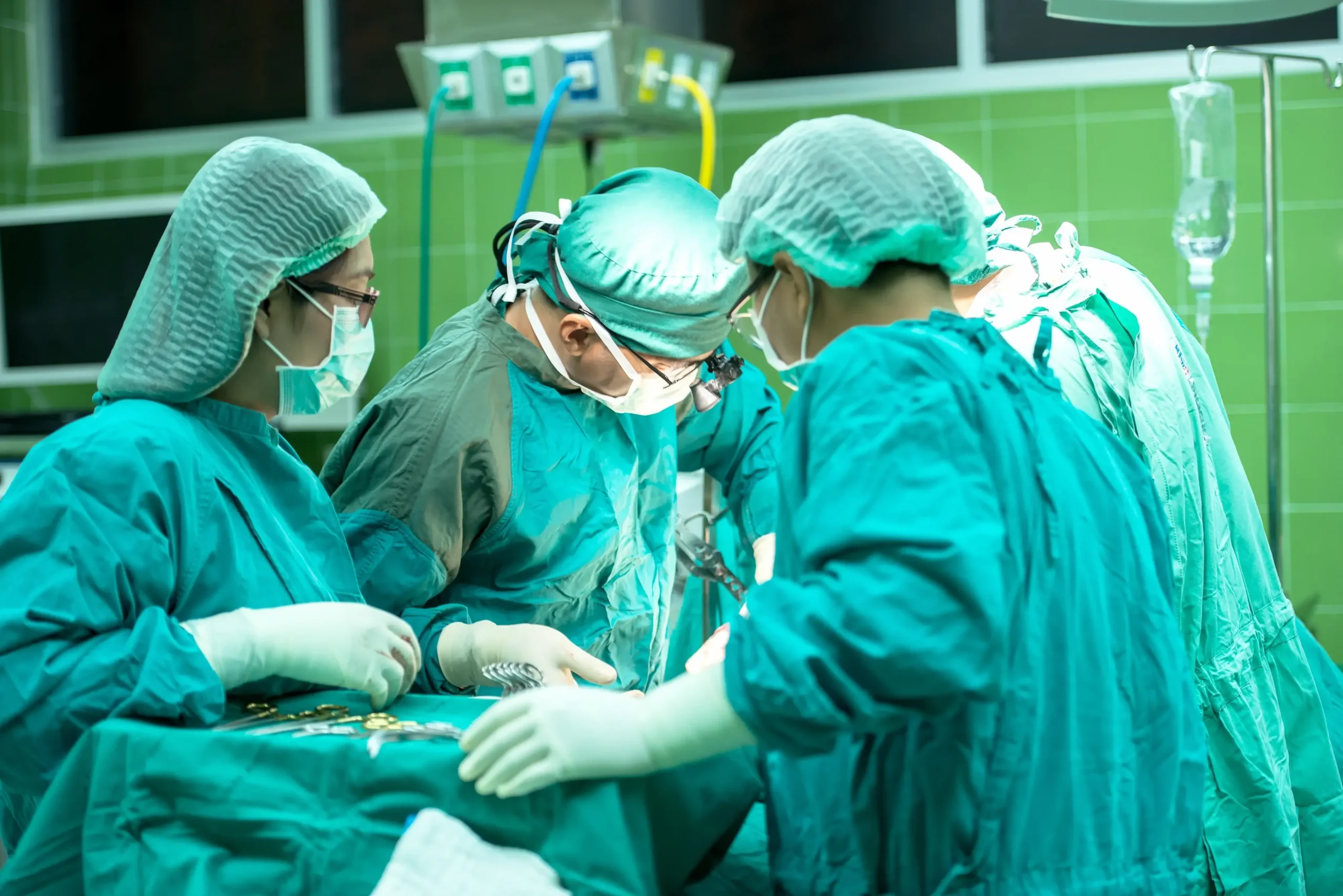
Moving to Sweden involves learning more than just the language, finding accommodation, and opening a bank account. Understanding how to access medical treatment is equally important, especially when you or a family member becomes ill.
Sweden has a largely tax-funded healthcare system which provides medical services through regional healthcare authorities. Both public healthcare providers and private clinics with regional agreements can treat patients under the publicly funded system.
However, newcomers often have questions: Do foreigners receive free healthcare? How do you find a doctor? Can you visit a hospital in Stockholm without a referral? What is the difference between 1177 and a vårdcentral?
This guide explains how healthcare in Sweden works, how to access medical services, what you can expect to pay, and what international residents should know before they need treatment.
How Does Healthcare in Sweden Work?
The Swedish healthcare system is mainly funded through taxes paid by residents and businesses. The country’s 21 regions organize most healthcare services, including primary care, hospitals, and specialist treatment.
Patients generally pay a relatively small fee when visiting a healthcare provider. The remaining cost is financed through public funding.
Healthcare is delivered through:
- Vårdcentral: Local primary healthcare centers for everyday medical problems.
- 1177 Vårdguiden: A national healthcare information and medical advice service.
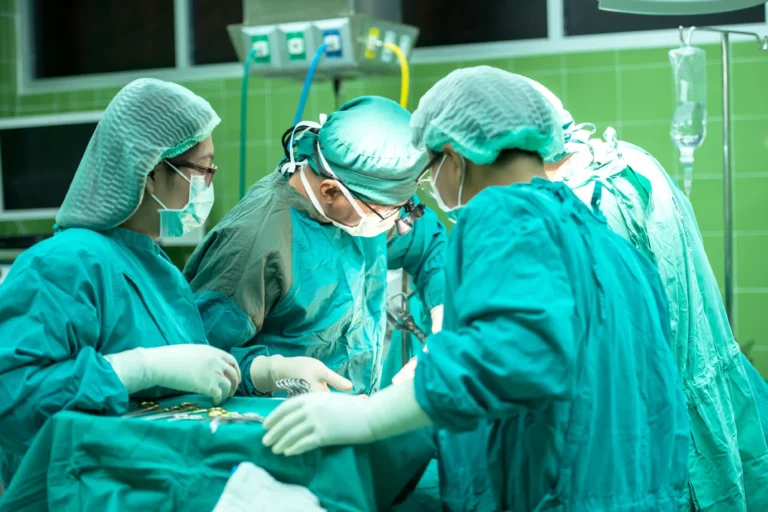
- Hospitals: Facilities providing specialist treatment, surgery and emergency services.
- Private healthcare providers: Clinics operating either under regional agreements or entirely independently.
- BVC: Child healthcare centers offering regular health examinations and support for young children.
- Maternity clinics: Services providing pregnancy care and support for expectant parents.
One important thing to understand is that Sweden does not operate a single national hospital network. Healthcare is organized regionally, so appointment procedures, patient fees, and available services can differ depending on where you live.
Who Is Eligible for Healthcare in Sweden?
Your healthcare entitlement depends on your residence status, registration and, in some circumstances, your country of origin.
1. Foreign workers and permanent residents
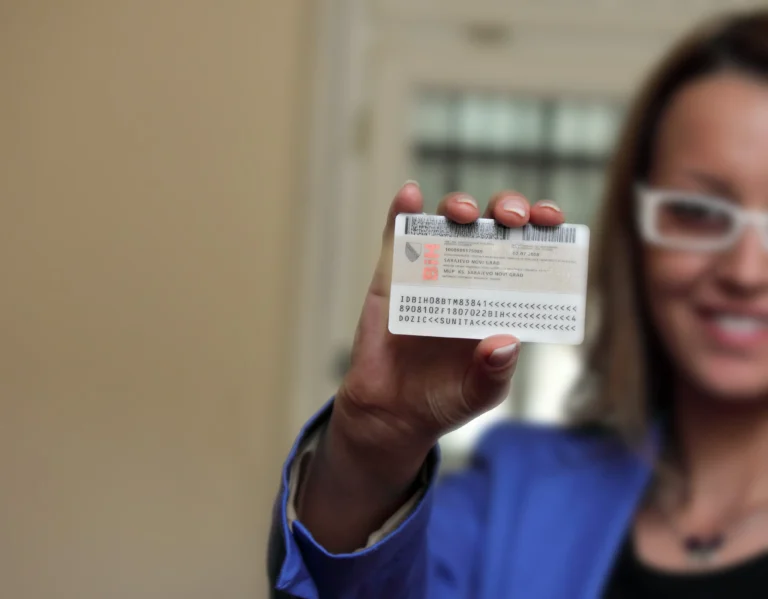
If you move to Sweden to work and become registered in the Swedish Population Register (folkbokföring)with a personnummer in Sweden you generally receive healthcare on the same terms as other registered residents.
This means you normally pay the standard regional patient fees rather than the full cost of treatment.
Permanent residence permit holders who are registered in Sweden generally access healthcare under the same arrangements.
2. Family members moving to Sweden
Spouses and children moving to Sweden should also complete the necessary population registration procedures where eligible.
Once registered, they generally have access to publicly funded healthcare under the same conditions as other residents.
Parents should also register their children with an appropriate child healthcare service (BVC).
You can also go through the moving to Sweden checklist here!
3. International students
Healthcare eligibility for international students depends on their registration, length of stay, and country of origin.
Students who come to Sweden in study and who are registered in the Swedish Population Register generally receive healthcare on the same terms as other registered residents.
Students from EU/EEA countries may use a European Health Insurance Card (EHIC) for medical healthcare that is necessary during temporary stays.
Students from outside the EU/EEA who are not registered in Sweden may have to pay the full cost of treatment. They should check their insurance arrangements before arrival.
4. Visitors and people not registered in Sweden
Tourists and temporary visitors do not automatically receive the same healthcare benefits as registered residents.
EU/EEA visitors can generally use an EHIC for medically necessary state-provided healthcare during a temporary stay, subject to applicable rules.
Visitors from other countries should check whether their travel insurance covers medical treatment in Sweden.
Important: Having a Swedish residence permit does not automatically mean that every healthcare service is covered at the normal resident rate. If you have recently arrived or are waiting for population registration, contact Försäkringskassan or the relevant regional healthcare authority to confirm your entitlement.
What Is 1177 and How Do You Use It?
1177 is one of the most important healthcare services to understand when living in Sweden.
It provides medical advice, health information, and access to healthcare-related online services.
You can use it to:
- Find information about illnesses and symptoms.
- Speak to a nurse for medical advice.
- Find nearby healthcare centers and hospitals.
- Book, change or cancel appointments where online booking is available.
- Read medical records.
- Renew certain prescriptions.
- View information about referrals and appointments.
Calling 1177
Dial 1177 from a Swedish telephone to speak with a nurse.
The service is available 24 hours a day, year-round.
The nurse will assess your symptoms and advise you on the appropriate next step. This might involve self-care, contacting your vårdcentral or visiting an urgent care facility.
You can also visit 1177.se.
The website provides substantial English-language health information, although some regional services and online functions may be available primarily in Swedish.
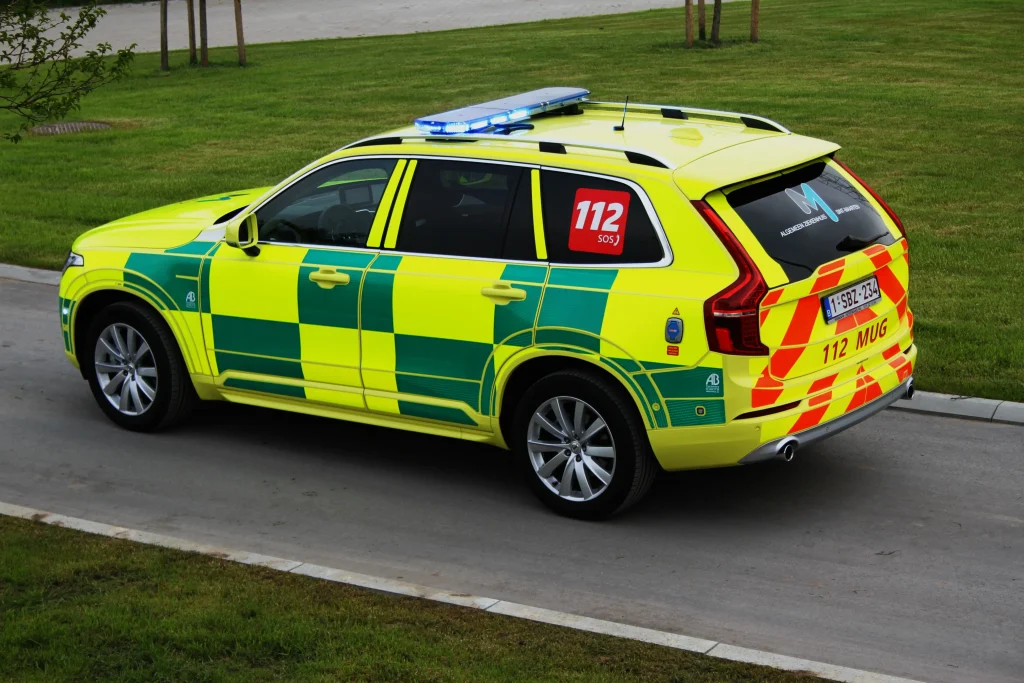
What is the difference between 1177 and 112?
These numbers serve completely different purposes.
| Number | When to use it |
| 1177 | Medical advice and guidance when you are ill or injured but do not have a life-threatening emergency |
| 112 | Life-threatening emergencies requiring immediate assistance |
For example, if your child develops a fever and you are unsure whether medical attention is necessary, call 1177.
If someone experiences severe breathing difficulties, becomes unconscious, or has symptoms of a life-threatening emergency, call 112 immediately.
What Is a Vårdcentral in Sweden?
A vårdcentral is a local healthcare center and usually the first place to contact for medical attention.
Think of it as your regular primary healthcare clinic.
You can contact a vårdcentral for:
- Fever, infections and common illnesses.
- Minor injuries.
- Headaches and stomach problems.
- Skin conditions.
- Blood pressure checks.
- Chronic health conditions.
- Mental health concerns.
- Medical assessments and referrals to specialists.
A vårdcentral normally has doctors, nurses, and other healthcare professionals.
How to register with a vårdcentral
Follow these steps after moving to Sweden:
Step 1: Complete your population registration
If eligible, register with the Swedish Tax Agency (Skatteverket) and obtain your personal identity number (personnummer).
Step 2: Find a healthcare center
Visit 1177.se and search for healthcare centers in your area.
You can generally choose a healthcare center, subject to regional procedures and availability.
Step 3: Select your preferred clinic
Check the clinic’s location, opening hours, services and appointment procedures.
Step 4: Contact the clinic
Use its online services, telephone number, or reception to ask about registration and appointments.
Step 5: Attend your appointment
Bring identification and any applicable medical documents, prescriptions, or previous test results.
You do not necessarily need to wait until you have completed registration to seek necessary medical advice. If you need treatment, contact 1177 or the relevant healthcare provider to establish where you should go and what charges apply.
How Much Does Healthcare in Sweden cost?
Healthcare in Sweden is subsidized through taxation, but most adults pay a patient fee when visiting a healthcare provider.
The exact amount depends on the region and the type of treatment.
Example: Healthcare costs in Västmanland
The following figures are based on Region Västmanland’s published 2026 patient fees.
| Healthcare service | Patient fee |
| Vårdcentral visit | SEK 200 |
| Hospital or specialist visit | SEK 400 |
| Urgent care visit | SEK 400 |
| Emergency department visit | SEK 600 |
| Hospital inpatient stay | SEK 130 per day |
| BVC visit | SEK 0 |
| Maternity healthcare | SEK 0 |
These figures are specific to Västmanland and should not be treated as nationwide prices.
For example, Region Stockholm has different patient fees. Check your regional 1177 website before attending an appointment.
What is healthcare high-cost protection?
Sweden has a system called högkostnadsskydd, which limits how much eligible patients pay for outpatient healthcare during a rolling 12-month period.
In 2026, the standard outpatient healthcare ceiling is SEK 1,450.
Once you reach the applicable limit, you receive a frikort (fee exemption certificate), which means eligible outpatient visits are free for the remainder of the protection period.
The period starts with your first qualifying visit, not on 1 January.
For example:
- January: You pay SEK 200 for a healthcare visit.
- February: You pay SEK 400 for a specialist visit.
- March: You pay SEK 400 for another visit.
- April: You continue paying eligible patient fees.
Once your cumulative qualifying payments reach SEK 1,450, you receive the exemption for the remainder of the 12 months.
Not every healthcare expense counts towards this protection. For example, inpatient charges, vaccinations and certain administrative fees may be excluded.
What about prescription medicines?
Prescription medicines have a separate high-cost protection system.
The amount you pay depends on the medicine, its eligibility for subsidy and the applicable reimbursement rules.
Do not assume that your healthcare frikort automatically covers prescription medicines. They are separate systems.
How Do You Visit a Hospital in Sweden?
Swedish hospitals generally provide specialist treatment, surgery, inpatient care and emergency services.
Unlike in some countries, you should not automatically visit a hospital whenever you have a medical problem.
For most non-emergency conditions, your first contact should be a vårdcentral or 1177.
When do you need a hospital referral?
If your condition requires specialist assessment, your doctor at the vårdcentral may refer you to a hospital department or specialist clinic.
Depending on the condition and regional procedures, some specialist services allow patients to contact them directly.
What if you need emergency treatment?
For serious injuries or sudden medical problems requiring urgent assessment, you can visit an emergency department (akutmottagning).
For life-threatening conditions, call 112.
Examples of hospitals in Stockholm
Some of the major hospitals serving Stockholm include:
- Karolinska University Hospital.
- Södersjukhuset.
- Danderyd Hospital.
- Capio St Göran Hospital.
These hospitals provide different specialist and emergency services. The appropriate hospital depends on your medical condition and where you are directed for treatment.
For example, someone with a minor infection should normally contact a vårdcentral rather than travel directly to a major hospital emergency department.
Private Healthcare and Health Insurance in Sweden
Sweden has both public and private healthcare providers.
However, private healthcare does not always mean expensive treatment.
There are two important categories:
1. Private clinics with regional agreements
These clinics provide publicly funded healthcare under agreements with regional authorities.
Patients generally pay the same regional patient fees as they would at public facilities.
2. Fully private healthcare
These providers function independently of the publicly funded healthcare system.
They set their own prices, and patients may need to pay the full cost of treatment themselves.
Do foreigners need private health insurance in Sweden?
If you are registered in Sweden and entitled to publicly funded healthcare, private health insurance is generally optional rather than a replacement for your public healthcare entitlement.
However, private insurance can be useful if you want access to additional services, quicker appointments where available, or particular private providers.
It may also be important for people who are not yet entitled to publicly funded healthcare on resident terms.
Before purchasing a policy, check:
- Whether outpatient and inpatient treatment are covered.
- Whether pre-existing conditions are excluded.
- Whether emergency treatment is included.
- Whether there are waiting periods.
- Whether the insurer has agreements with Swedish healthcare providers.
- Whether the policy meets any insurance requirements applicable to your residence or study arrangements.
If your employer offers private medical insurance, ask for the policy conditions and understand which services are covered.
Healthcare for Children and Families
Families moving to Sweden should familiarise themselves with two important services: BVC and maternity healthcare.
BVC – Child healthcare centers
BVC stands for barnavårdscentral.
It provides preventive healthcare for young children, including:
- Regular growth and development checks.
- Childhood vaccinations.
- Advice about feeding and nutrition.
- Developmental assessments.
- Support for parents.
BVC visits are generally free of charge.
Parents should contact their local BVC to arrange services after moving to Sweden.
Maternity healthcare
Pregnant women can access maternity care through a barnmorskemottagning.
Midwives provide pregnancy monitoring, advice, routine check-ups and assistance throughout pregnancy.
Maternity healthcare visits are generally free.
What about children’s hospital treatment?
Children can receive medical treatment through the same regional healthcare system.
In Västmanland, healthcare visits are free for children and young people until the day they turn 20. Other regions have their own age limits and arrangements.
For urgent medical concerns involving children, call 1177 for advice or 112 in a life-threatening emergency.
Can You Get Healthcare in English in Sweden?
Yes. Many healthcare professionals in Sweden can communicate in English, particularly in larger cities.
However, English-language support is not guaranteed at every clinic.
If you cannot understand Swedish, tell the healthcare provider when booking your appointment.
You may be able to receive assistance from a professional interpreter. Ask the clinic to arrange one if needed.
For important medical decisions, make sure you understand the diagnosis, treatment options, medication instructions, and follow-up arrangements.
You should not rely on a family member or child to interpret complicated medical information when professional interpretation is available.
Common Mistakes Newcomers Should Avoid
Understanding the system before you get sick can save time and confusion.
Here are some common mistakes:
- Going directly to a hospital for every illness: Start with 1177 or your vårdcentral for non-emergency medical concerns.
- Assuming healthcare is completely free: Most adults pay patient fees, although high-cost protection limits eligible outpatient expenses.
- Ignoring population registration: Your registration status can affect your healthcare entitlement and the amount you pay.
- Confusing 1177 with 112: Use 1177 for medical advice and 112 for life-threatening emergencies.
- Missing appointments: Late cancellations and missed appointments can result in additional charges.
- Assuming private insurance is unnecessary for every newcomer: Your entitlement depends on your circumstances, so check your coverage before arriving.
- Not asking for an interpreter: You should be able to understand important information about your treatment.
Frequently Asked Questions about Healthcare in Sweden
1. Is healthcare free in Sweden for foreigners?
Healthcare is subsidized through taxation, but most adults pay patient fees. Foreigners registered in the Swedish Population Register generally receive healthcare on the same terms as other residents. Temporary visitors and people without the relevant entitlement may face different charges.
2. Can I visit a hospital in Stockholm without a referral?
You can attend an emergency department when you need emergency assessment. For planned specialist treatment, a referral is commonly required, although some specialist clinics accept direct appointments.
3. Is 1177 available in English?
The 1177 website offers extensive English-language health information. However, telephone advice and regional online services may have language limitations. Ask about interpretation if necessary.
4. How much does a doctor’s visit cost in Sweden?
The fee depends on your region and the type of visit. In Västmanland, a standard visit to a vårdcentral costs SEK 200 in 2026. Stockholm has different patient fees.
5. What is the maximum healthcare cost in Sweden?
The standard high-cost protection ceiling for eligible outpatient healthcare is SEK 1,450 during 12 months in 2026. Certain services and inpatient charges are excluded.
6. Do I need health insurance to move to Sweden?
It depends on your immigration and registration circumstances. People entitled to publicly funded healthcare as residents generally do not need private medical insurance for ordinary healthcare. Others may need separate insurance.
7. Can I choose my own doctor in Sweden?
You can generally choose a vårdcentral, subject to regional procedures and availability. However, you may not always be able to select a particular doctor.
Final Thoughts: Understanding Healthcare in Sweden
The Swedish healthcare system can seem unfamiliar at first, especially if you come from a country where patients usually visit a doctor or hospital directly.
The easiest way to understand it is to remember three things:
- Use 1177 when you need medical advice.
- Contact your vårdcentral for everyday medical treatment.
- Call 112 for life-threatening emergencies.
If you are moving to Sweden, take time to understand your healthcare entitlement, register with a local healthcare center where eligible, and learn how to use 1177.
Having this information ready will make it easier to find your way through the healthcare system when you or your family needs medical attention.
Official source: